Join the Gnomes each Thursday at 5:30pm for Riftbound’s Nexus Nights!
Tournaments starting at 5:30pm
Entry is $10
Win a Match Win a Pack, Riftbound Promos
Join us weekly for some fun Riftbound action.
The domains are:
- Fury (Red) –
- Fury is about aggression, passion, and the thrill of conquering.
- Fury decks often use damage-based removal, Accelerate (and other ways to enter ready), and rewards for conquering to achieve victory.
- Generally, Fury cards have a harder time drawing lots of cards or killing units directly, especially units that stay out of combat in their base.
- Examples of Fury from popular fiction are Conan the Barbarian, Blade, and Anakin Skywalker.
- Calm (Green) –
- Calm is about balance, meditation, and the peace of holding.
- Calm decks often use defensive tricks, moving enemies, and negating interaction (like counterspells and stuns) to defend their holds and achieve victory.
- Generally, Calm cards have a harder time being very aggressive or interacting without using their units.
- Examples of Calm from popular fiction are Gandalf, Baloo, and Obi Wan Kenobi.
- Mind (Blue) –
- Mind is about innovation, outsmarting opponents, and the benefits of intelligence and curiosity.
- Mind decks often use long-term planning, shrinking tricks, card draw, hidden and gear synergy to gain an advantage and achieve victory.
- Generally, Mind cards have a harder time with moving units or having efficient units.
- Examples of Mind from popular fiction are Sherlock Holmes, Curious George, and Yoda.
- Body (Orange) –
- Body is about physical superiority, agility, and connection to the wilds.
- Body decks often ramp their resources, play efficient and high impact units, and dominate combats to achieve victory.
- Generally, Body cards have a harder time with finding efficient card draw or noncombat spells.
- Examples of Body from popular fiction are The Terminator, Juggernaut, and Chewbacca.
- Chaos (Purple) –
- Chaos is about unpredictability, rebellion, and trickiness.
- Chaos decks often manipulate position and the trash, use hidden tricks, and filter toward the right cards to achieve victory.
- Generally, Chaos cards have a harder time permanently eliminating a threat or giving permanent advantages to its units.
- Examples of Chaos from popular fiction are V (for Vendetta), Spiderman, and Han Solo.
- Order (Yellow) –
- Order is about unity, community, and sacrifice for the greater good.
- Order decks often generate many small units, gain effects on unit death, and kill units directly to achieve victory.
- Generally, Order cards have a harder time dealing with smaller units and moving units.
- Examples of Order from popular fiction are Superman, Cobra Commander, and Leia Organa.
One way to start building a deck is to start with a domain you think fits your playstyle (or just style, generally) and search for cool cards you might want to fit into a deck.
Look for this and other events at our website: gnomegames.com/events/month!
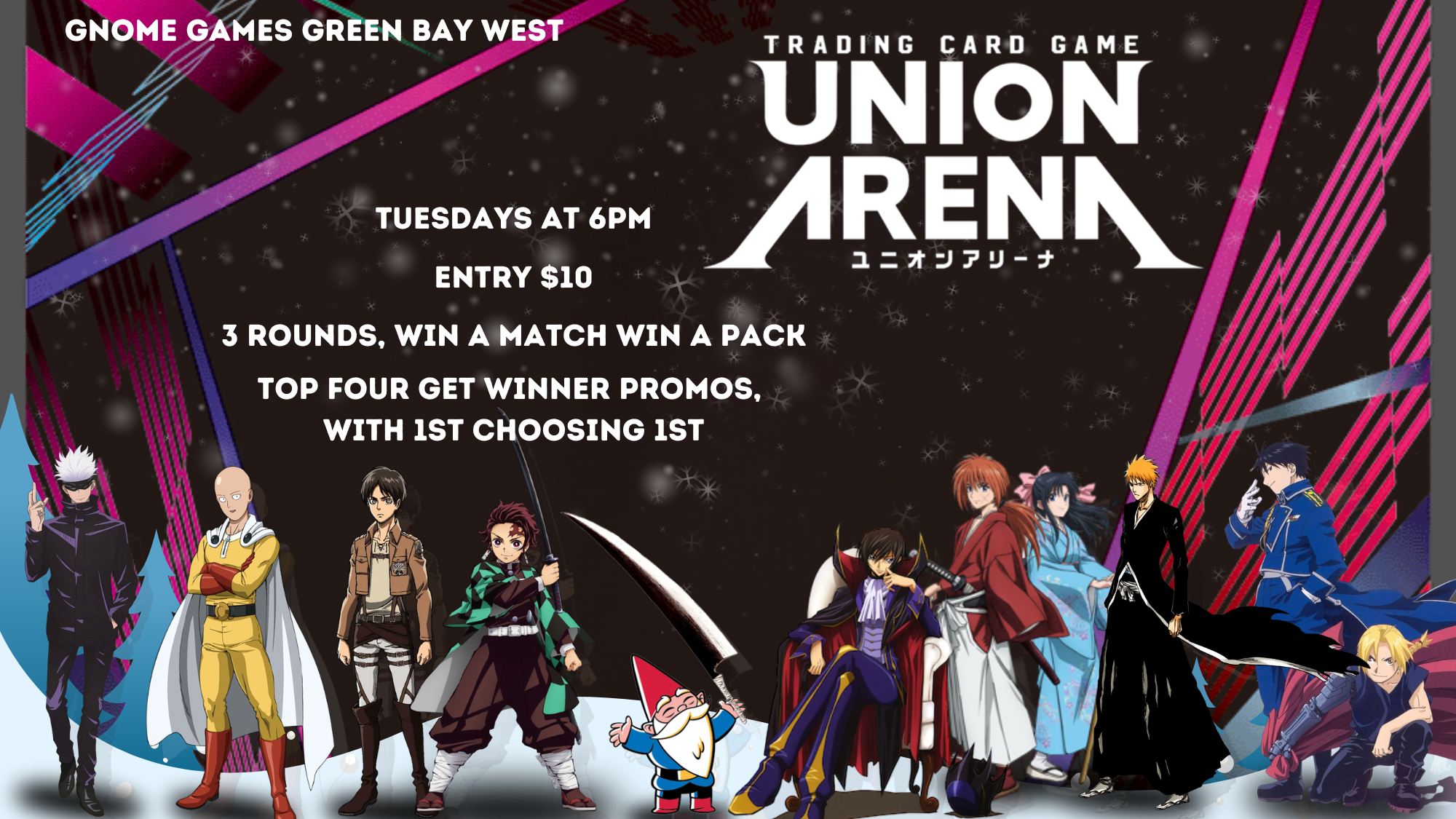
 Union Arena constructed tournaments are on Tuesdays at 6pm at Gnome Games Green Bay West! For $10, bring your best deck or try out something new in the Union Arena!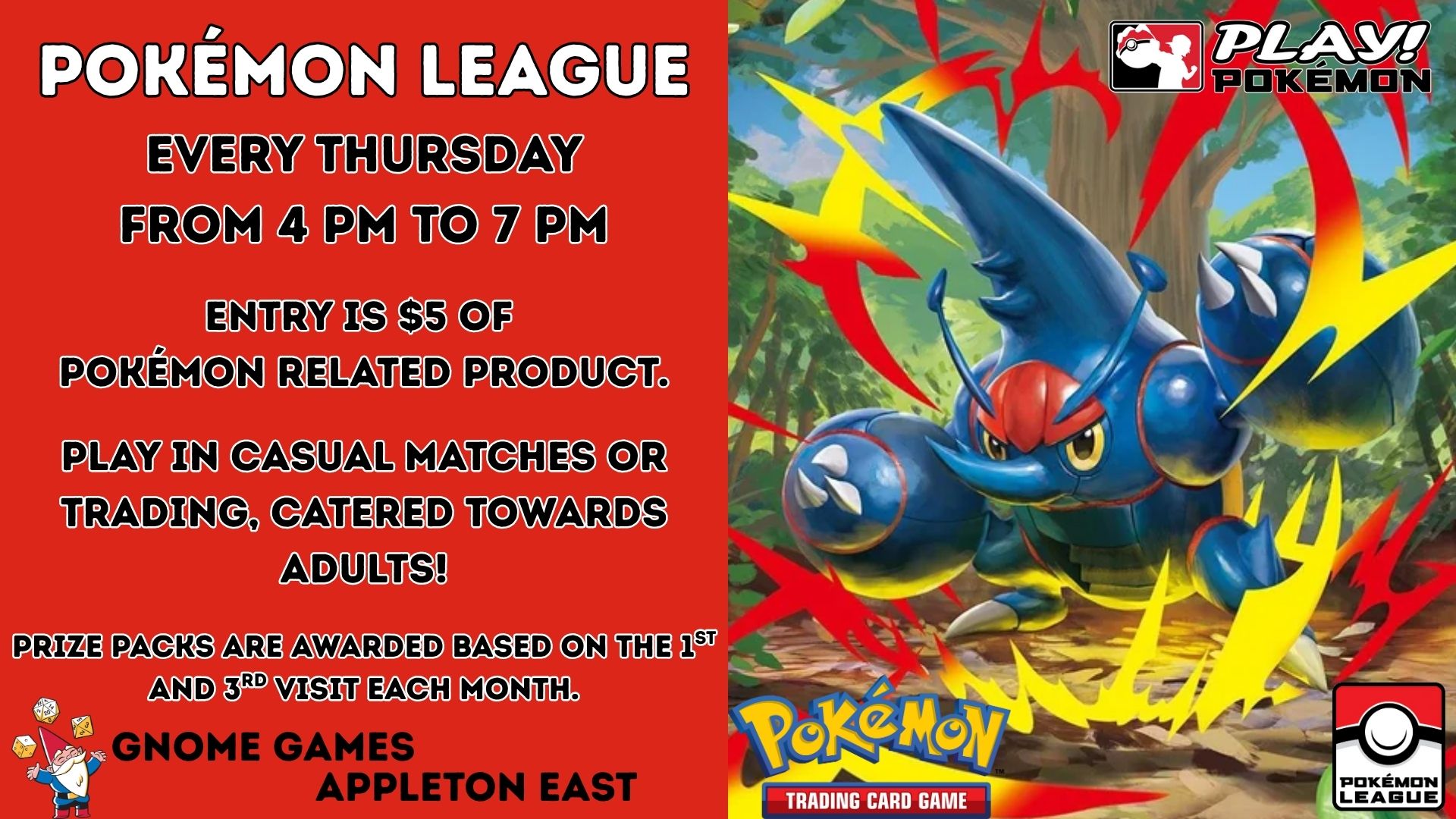
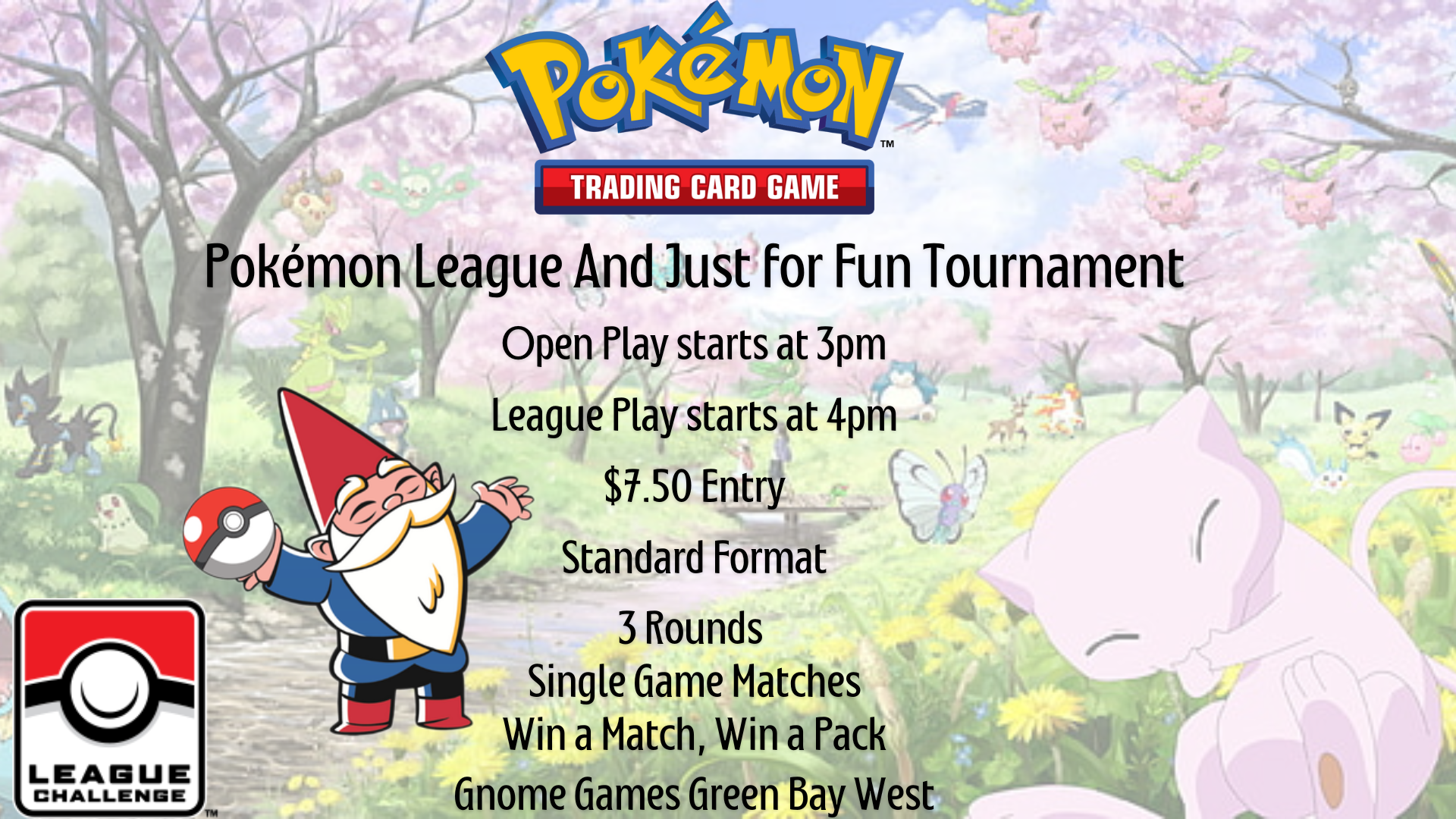
 Every Thursday from 4 PM to 7 PM, we’re hosting Pokémon TCG League! TCG stands for trading card game. League nights are all about battling, trading, and more with a focus on our adult crowd! Don’t know how to play? We will have resources readily available to anyone looking to learn, including play mats that emphasize zones and what to do on your turn. Pokémon isn’t just a kids game!
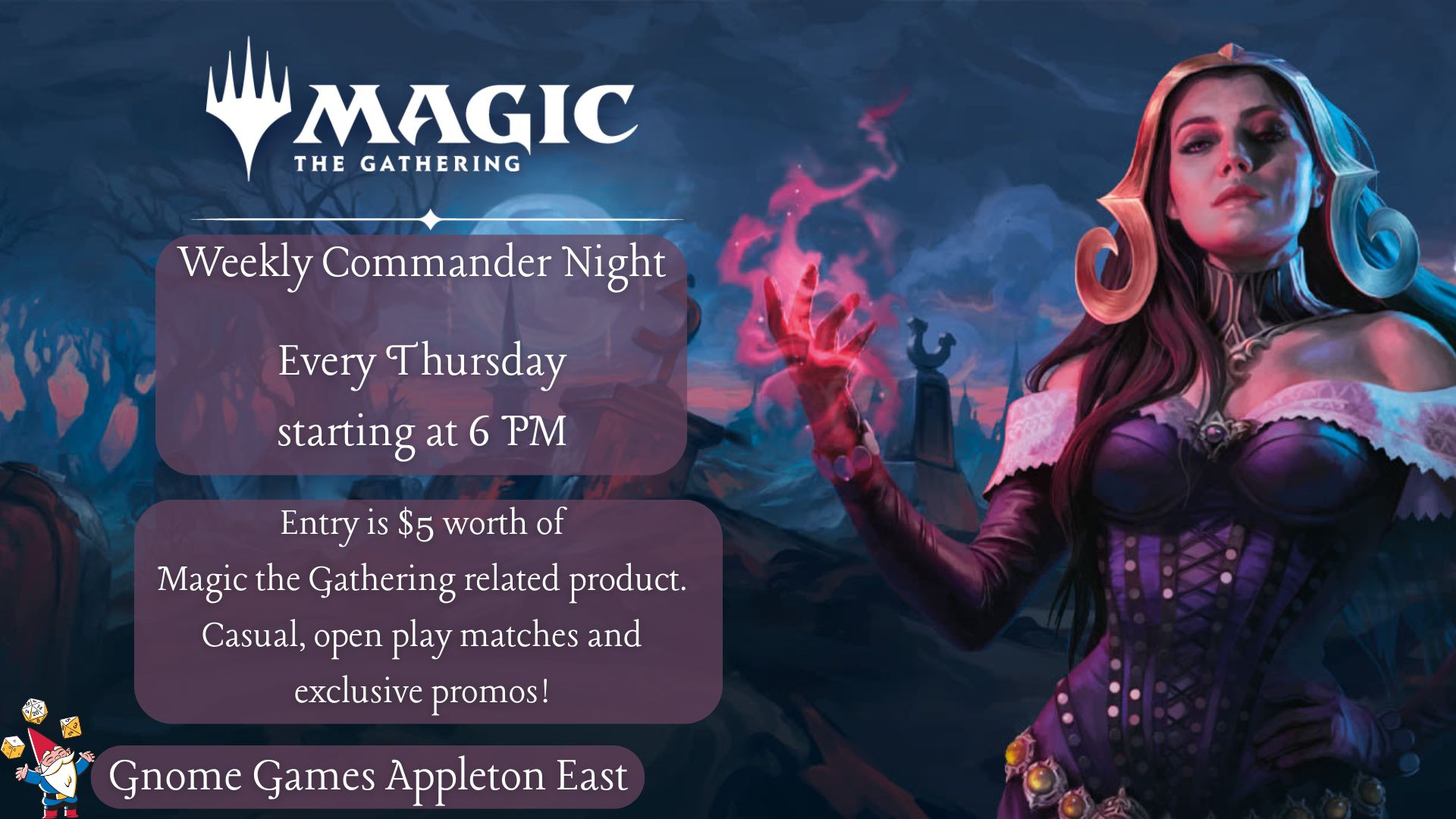
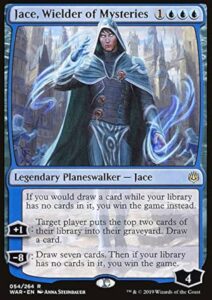 Magic is a collectible trading card game of fun-filled, strategic games to play with friends old and new. Welcoming worldbuilders, narrative lovers, and gameplay enthusiasts alike, Magic has something for everyone and countless ways to play. Gathering together is half the fun! Bring along your crew or meet up with some new faces! A Multiverse of adventures awaits you, filled with powerful, unforgettable characters and spells to explore. Test your abilities to think fast and have fun on a battlefield of possibilities! Try new strategies with creative deckbuilding or push your skills to go for the win.
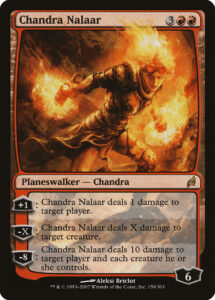 The Commander format is all about picking your hero and building a deck around them! In this casual, multiplayer format, you choose a legendary creature or artifact to serve as your commander and build the rest of your deck around their color identity and unique abilities. Players have a limit of one of each card in their deck, with the exception of basic lands, but they can use cards from throughout Magic’s history. A card’s color identity can come from any part of that card, including its casting cost and any mana symbols in its text. Every card in your Commander deck must only use mana symbols that also appear on your commander. Colorless cards are allowed as well.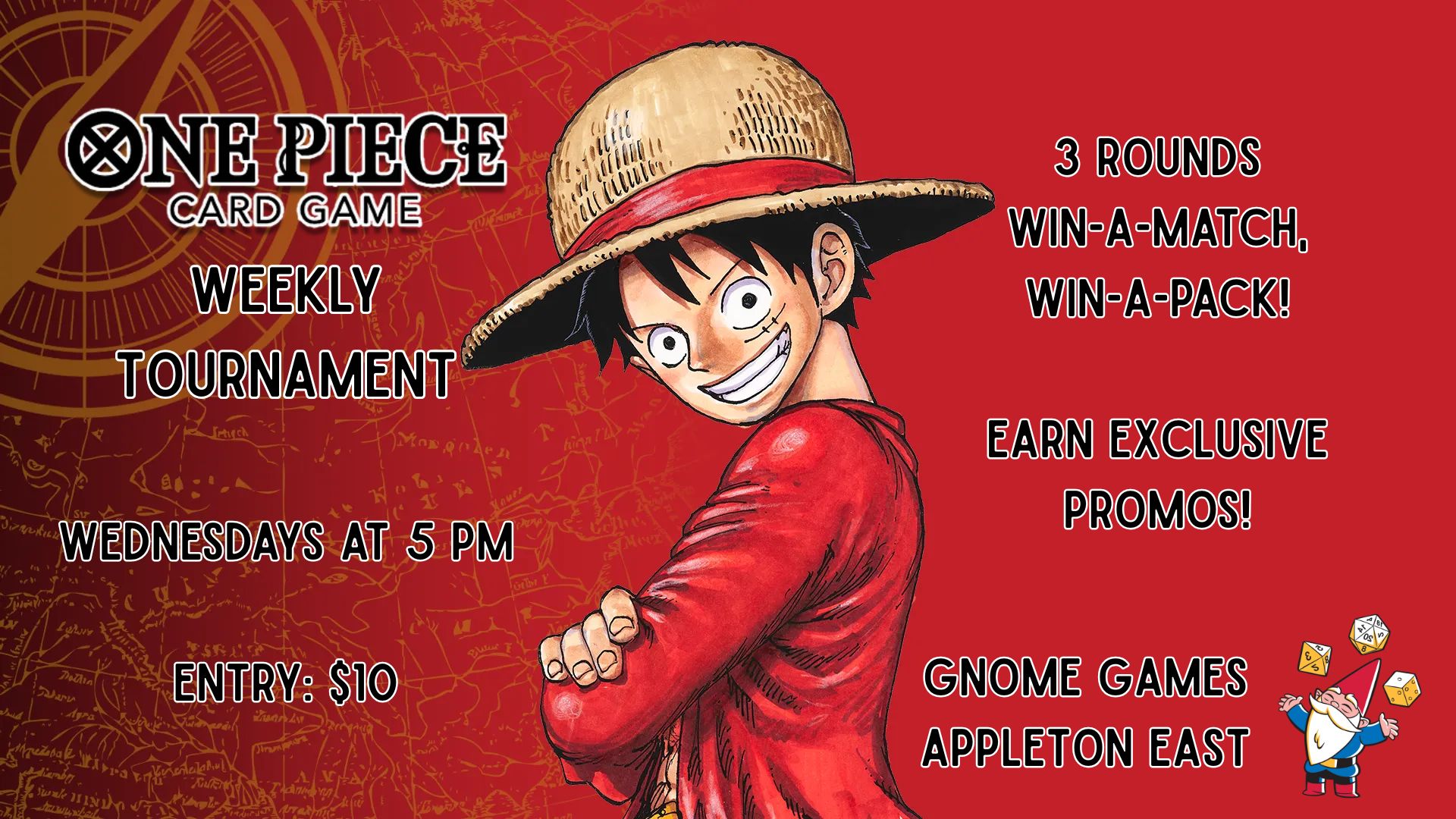
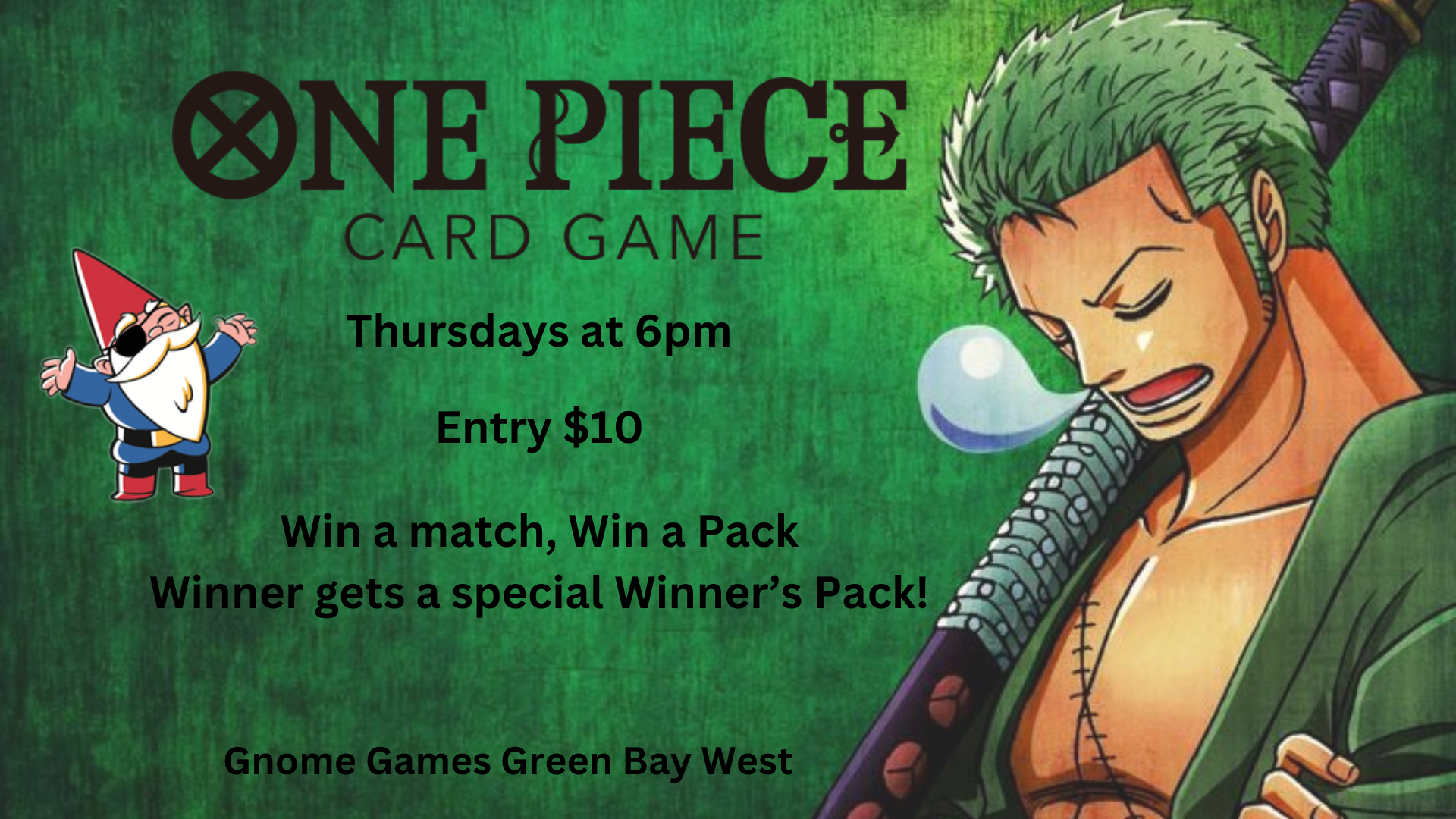
 Every Wednesday at 5 PM we host a One Piece Card Game Weekly Tournament! These provide the opportunity to not only test your skills against your opponents, but to earn exclusive prizes while doing so! Battle it out in 3 rounds of a Swiss style tournament, where each round won awards you with an additional pack of the newest set! The current newest set is Carrying on His Will [OP13]. Exclusive participation promos go out to each player, and one lucky winner will be the King and receive a winner promo!
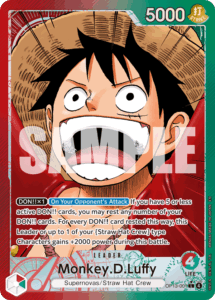 The One Piece Card Game is a trading card game originally released to celebrate the 25th anniversary of the One Piece manga. Create your very own crew with all of your favorite characters from the series! How you enjoy it is entirely up to you: Collect. Battle. Display. Play solo, with your family, or with your friends! For a guided tutorial, check out the One Piece Card Game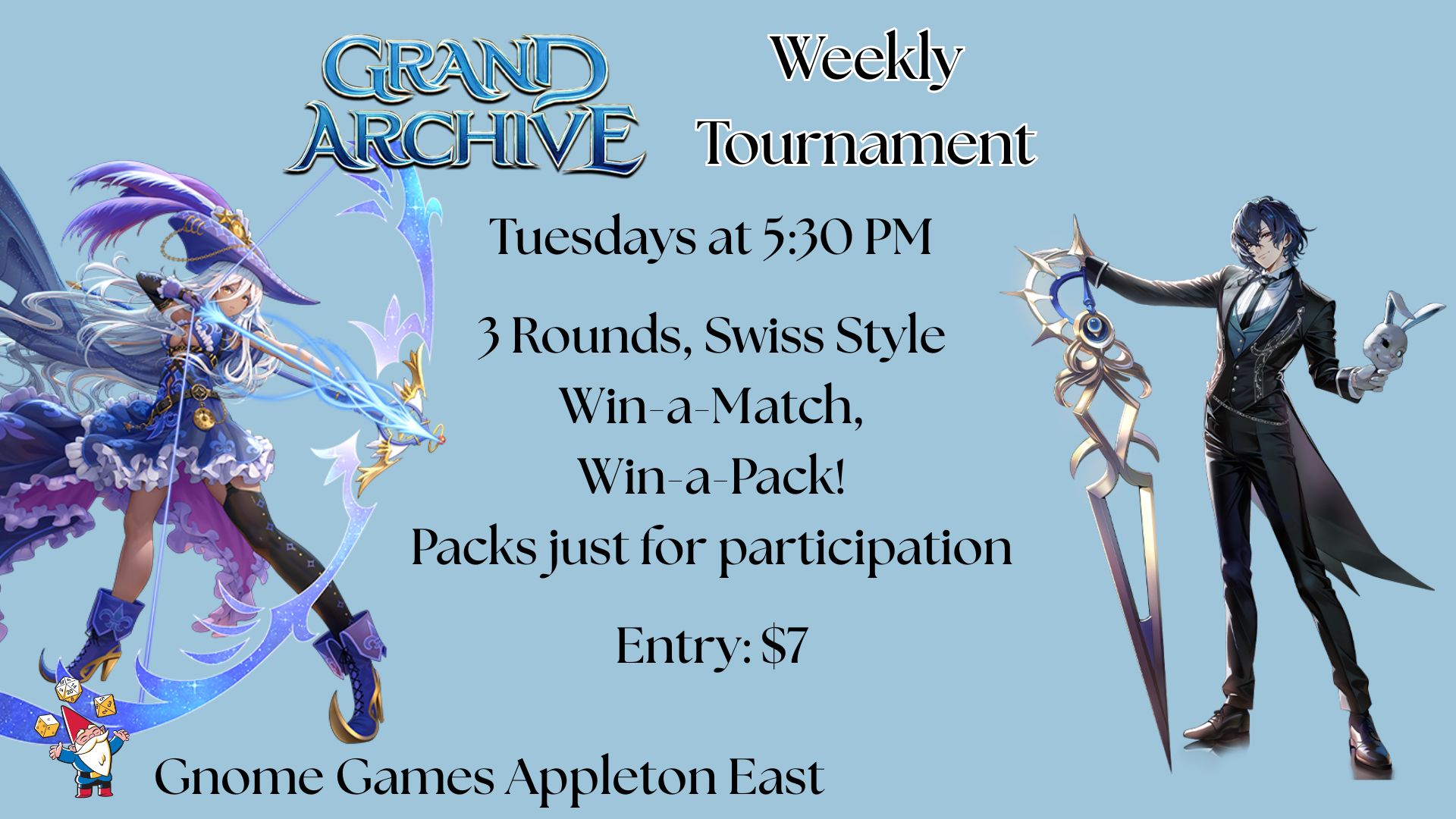
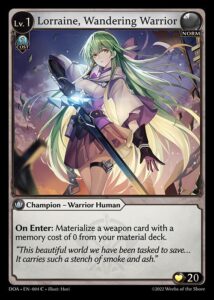 In a game of Grand Archive, each player controls a champion. You win the game by defeating each opponent’s champion. This makes champion cards one of the most influential card types in deck building, and is considered the heart of your deck. Each champion has a life stat marked in the bottom right corner of the card. When champions take an amount of damage, that many damage counters are marked on them. If the amount of damage counters on a champion reaches their life stat, that champion dies.
 For news, events, and more from Grand Archive, check out their
 In Yu-Gi-Oh!, two players Duel each other using a variety of Monster, Spell, and Trap Cards to defeat their opponent’s monsters and be the first to drop the other’s Life Points to 0. Players draw cards from their respective decks and take turns playing cards onto “the field”. Each player uses a deck containing forty to sixty cards, and an optional “extra deck” of up to fifteen cards. For more details on how to play, check out the Yu-Gi-Oh website’s